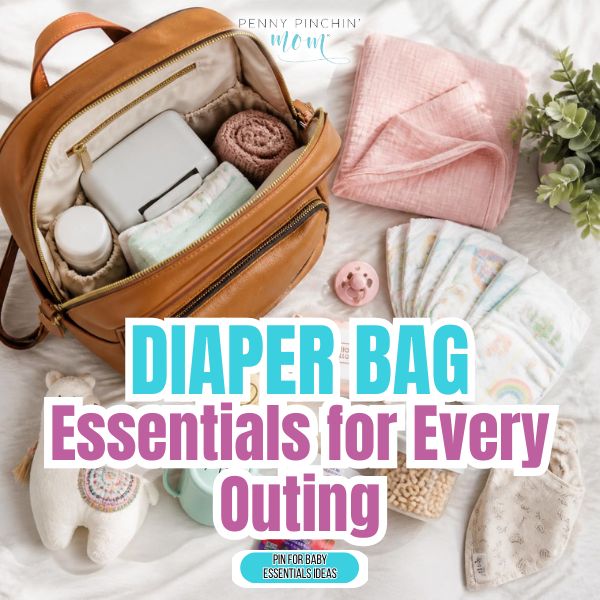
You’re halfway to the pediatrician when you realize the spare outfit you packed is 3 sizes too small. Or you’re changing a blowout in a restaurant bathroom and discover you brought everything except wipes. Every parent has that moment of digging through a bottomless bag one-handed while their toddler tries to climb the changing table, searching for something that should be right there.
The difference between diaper bag essentials that work and ones that make you want to cry isn’t how much you pack: it’s knowing exactly what needs to be in there and where to find it when you’re juggling a squirming baby. A well-stocked diaper bag turns a potential meltdown (yours, not the baby’s) into a quick fix and gets you back to your day. Most parents either overpack everything “just in case” until their bag weighs 20 pounds, or they underpack and end up buying emergency supplies at Target three times a week.
This walkthrough covers what actually needs to be in your bag for three common scenarios: quick errands (under 2 hours), full-day outings (4-6 hours), and overnight trips. You’ll see the core items that stay packed, what to add based on how long you’ll be gone, and how to organize it all so you’re not fishing around at the bottom of your bag while your baby screams. The right setup means you can grab what you need with one hand, know when you’re running low before you leave the house, and stop second-guessing whether you packed enough of everything.
Changing Supplies for Your Diaper Bag
These stay in your bag full-time, whether you’re running to the grocery store or visiting grandma for the weekend.
- 5-6 diapers (one per hour of outing plus 2 backup for blowouts)
- Travel wipe pack (80-count refillable container, not the giant tub)
- Changing pad (foldable, wipeable)
- 2 diaper disposal bags (because sometimes there’s no trash can nearby)
The diaper count is the most common mistake parents make. Five diapers feels like overkill for a 2-hour trip until your baby has three poops in an hour. Always calculate one diaper per hour of your planned outing, then add two more. Run out of diapers once in public and you’ll never underpack again.
Feeding Essentials to Keep Packed
- 2 bottles or sippy cups (one for now, one backup)
- Formula dispenser with 2 pre-measured servings (even if you’re nursing)
- Small pack of snacks for older babies (puffs, pouches, crackers in sealed containers)
- Burp cloth or small towel (doubles as emergency bib)
Clothing and Comfort Items
- 2 complete outfit changes for baby (different sizes if they’re between sizes)
- 1 shirt for you (because spit-up and blowouts don’t just happen to baby clothes)
- Receiving blanket (nursing cover, sunshade, impromptu changing surface)
Most parents know to pack extra baby clothes but forget about themselves. That spare shirt in your bag will save you from wearing spit-up through an entire Target run or sitting through a restaurant meal smelling like formula. Make it a dark color and something you don’t mind getting dirty.
Health and Safety Must-Haves
- Small first aid kit (bandaids, infant pain reliever, thermometer)
- Hand sanitizer (for you, before you handle bottles or food)
- Pacifiers in a case (if your baby uses them, bring 2)
Keep Your Diaper Bag Organized
A diaper bag organizer insert keeps everything sectioned and visible. GillyGro’s insert has labeled pockets, so you know what’s running low at a glance.
What to Add for Full-Day Outings (4-6 Hours)
For anything longer than a quick errand, your core bag setup needs these additions. Full-day trips mean multiple feedings, potential weather changes, and zero tolerance for running out of supplies halfway through.
Additional Feeding Supplies:
- 2 more bottles (total of 4 for the day)
- Full-size formula container or 4 pre-portioned servings
- Larger snack variety (2-3 different options to prevent boredom meltdowns)
- Small soft-sided cooler pack (keeps bottles cold, fits in most diaper bags)
- Reusable food pouch for purees or yogurt (less messy than squeeze pouches)
Extended Comfort Items:
- Favorite small toy or teether (distraction during long waits)
- Board book (restaurant wait times, doctor’s office)
- Extra pacifier if applicable (because they get dropped, stepped on, or mysteriously vanish)
Weather Prep:
- Sun hat or warm hat depending on season
- Lightweight jacket (even summer days mean overly air-conditioned buildings)
- Sunscreen stick (easier to apply than lotion, less messy in the bag)
Parent Survival:
- Portable phone charger (dead phone means no way to look up store hours or call for help)
- Granola bars or protein bars for you (hangry parent plus fussy baby equals disaster)
- Your own water bottle (you can’t pour from an empty cup)
The full-day setup assumes you won’t have easy access to a car or home base for at least 4 hours. If you’re doing a zoo trip, visiting family, or handling a day of appointments, this configuration means you’re self-sufficient and not rationing diapers by 2 PM.
The cooling pack matters more than most parents realize. Formula can only sit at room temperature for 2 hours once mixed, and pre-made bottles need to stay cold. Without a cooling solution, you’re either mixing bottles in public bathrooms or throwing away formula because it’s been out too long. A slim ice pack and insulated pocket solve this and cost less than wasting formula.
When you’re packing snacks, variety beats quantity. Two of the same snack won’t help when your toddler decides they hate puffs today. Three different options (crackers, fruit pouch, and cereal) give you bargaining power when they’re melting down about being hungry but refusing everything you offer.
Overnight Additions: What Changes for Multi-Day Trips
Overnight stays require a different approach than just “pack more of everything.” You need sustainability and redundancy: if something gets lost or ruined, you need a backup without making an emergency store run.
Scaled Supplies:
- Diapers: 8-10 per 24 hours (if you’re staying 2 nights, pack 20)
- Wipes: Full-size pack (not travel size)
- 4 complete outfit changes (daytime plus pajamas plus 2 spares for disasters)
- Sleep sack or favorite sleep toy (anything that signals bedtime routine)
Toiletries & Hygiene:
- Baby shampoo and body wash in travel bottles
- Baby lotion (hotels don’t stock this)
- Toothbrush and toothpaste for older babies
- Nail clippers (because babies always scratch themselves at the worst times)
- Diaper cream (different water, different schedule often means diaper rash)
Feeding for Multiple Days:
- Formula to cover all feedings plus 2 extra bottles’ worth
- Full bottle brush (you’ll need to wash bottles wherever you’re staying)
- Dish soap in a small container
- Bibs (at least 3: one per meal plus backup)
- Sippy cup for water
Sleep Setup:
- White noise machine or app (unfamiliar places make terrible sleep without it)
- Blackout curtain clips or garbage bags with tape (hotel curtains never actually block light)
- Portable crib sheet if not using a pack-and-play you brought
Smart Separation:
Use a GillyGro bag as your base and pack a separate smaller bag for bathroom items. This way you’re not hauling the entire diaper bag to the hotel bathroom for every diaper change. The main bag stays in the bedroom with diapers and clothes; the bathroom bag holds wipes, diaper cream, and bath items.
The outfit math for overnight trips needs to account for mealtime disasters, not just diaper blowouts. Babies who eat solids will coat themselves in food 2-3 times per day. If you’re gone for two nights, that’s potentially 6 food-related outfit changes plus normal wear plus accidents. Four complete changes sounds excessive until you’re hand-washing onesies in a hotel sink at 10 PM because you ran out.
The white noise and blackout setup makes the difference between your baby sleeping normally and being awake every 2 hours because they can hear hotel hallway noise and see light under the door. Garbage bags taped over windows look ridiculous but work better than any travel blackout curtain, and they pack flat in your bag.
Choosing between these three packing levels comes down to one question: how long until you’ll have easy access to your car or home? Quick errands under 2 hours need just the core 15 items. Full-day outings lasting 4-6 hours require the extended feeding supplies, weather prep, and parent survival items. Overnight trips demand scaled quantities, sleep setup tools, and a separate toiletries system. The mistake most parents make is packing the overnight version for every trip. You end up with a 20-pound bag you resent carrying, and half of it never gets used.
Start by getting your core bag set up with the 15 always-packed items, then add only what the specific outing requires. Use an organizer insert so you can see at a glance what needs refilling before you walk out the door. Pack your diaper bag the night before any planned outing longer than 2 hours, so you’re not rushing and forgetting essentials. The goal isn’t to carry everything your baby might need: it’s to carry exactly what this trip requires and know where to find it one-handed.
Ready to set up a diaper bag that actually works? Pull out your current diaper bag right now and verify each of the 15 core items: check that diaper sizes match your baby’s current size, confirm wipe packs aren’t empty, and replace any too-small spare outfits. Then leave it packed by your door so it’s grab-and-go ready.