Australian home designers are increasingly prioritizing authentic wood profiles for exterior walls. This deliberate choice delivers visual depth, weather resilience, and natural charm.
When you build or renovate a home, you want exterior walls that balance striking curb appeal with solid defense against unpredictable weather. Modern residential architecture asks you to choose materials that combine aesthetic beauty with tough weather resistance. You face hot summers, intense downpours, and the desire to build a peaceful sanctuary that connects your daily life with nature.
Selecting authentic wood profiles gives your building envelope a renewable, grounded foundation. Pairing clean horizontal or vertical lines with organic grain creates a structure that matures gracefully across seasons.
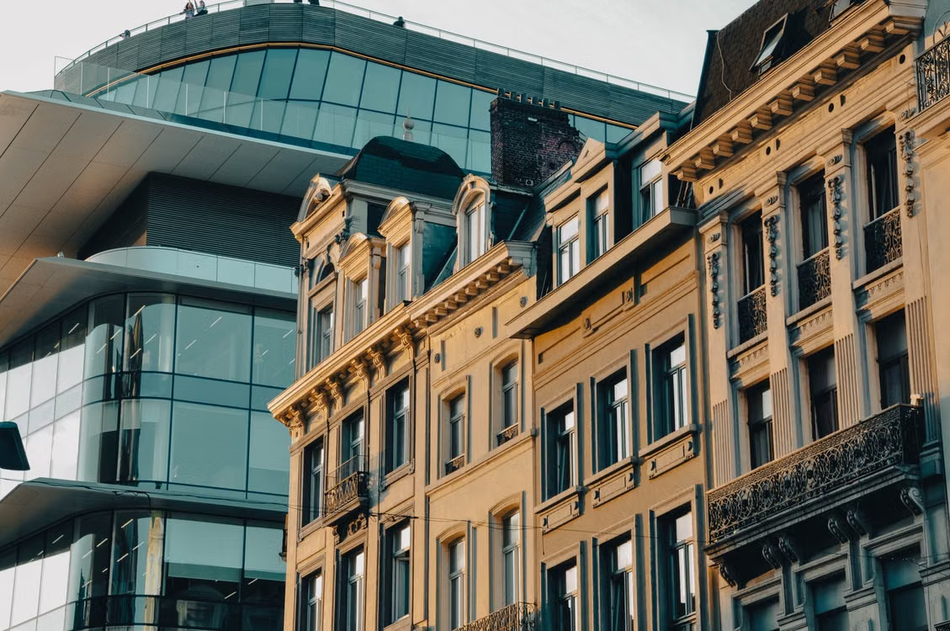
Image source:https://www.pexels.com/photo/view-of-the-brucity-administrative-centre-and-an-old-apartment-building-in-brussels-belgium-17939138/
Why Are Designers Choosing Natural Wood Facades?
Take a walk through contemporary neighborhoods, and you see a clear shift away from sterile, flat surfaces. Homeowners want warmth, rich texture, and exterior elements with genuine character. Solid wood boards break up rigid geometric planes, helping your house sit harmoniously against surrounding trees and gardens.
Wood profiles give you exceptional flexibility when planning your home exterior. You can pair honey wood tones with dark metal trims, crisp masonry, or off-white render. This balance helps you spotlight cantilevered sections, define recessed porches, or wrap an upper level in clean vertical lines.
How Do Wooden Profiles Improve Thermal Performance?
Your home requires a smart thermal barrier to keep indoor temperatures stable through shifting seasons. By integrating high-grade External Timber Cladding across your building facade, you stop harsh external heat from sinking straight into your living spaces. Wood contains millions of tiny air pockets that slow temperature transfer far better than steel or solid stone.
That natural cellular structure helps lower your power bills during hot afternoons. Carefully designed timber envelopes work alongside interior batts to keep indoor climates balanced.
What Structural Systems Defend Facades Against Weather?
Harsh climates test exterior finishes with intense UV rays and driving rainstorms. Modern wood profiles solve this problem through tongue-and-groove or shiplap profiles that shed water before dampness reaches your sub-frame.
Professional installation creates a continuous drainage space behind your timber boards. This deliberate gap allows air to circulate upward, evaporating trapped dampness before mold can take hold.
Effective moisture control demands precise metal flashing around every window edge and corner joint. You install fine insect mesh along your bottom trim to let air pass freely while keeping pests outside.
Technical documentation from Studio Matrix points out that traditional solid masonry walls often transmit heat rapidly without dedicated exterior shields that resist temperature conduction. Timber profiles add that protective outer shell, reducing thermal bridging across wall framing. You enjoy cooler interiors during summer heatwaves and a warmer, cozy envelope during frosty winter mornings.
How Do Profile Orientations Change Curb Appeal?
Every plank layout you choose shifts how passersby perceive your home. Natural grain patterns create dynamic light and shadow effects that shift throughout the day. Morning sunshine brings out subtle honey tones, while low afternoon light emphasizes clean shadow lines between boards.
Plank direction defines the visual proportions of your home exterior. Horizontal profiles visually widen a facade, giving your home a grounded look that complements low-slung rooflines. Vertical boards guide the eye upward, giving single-story residences a loftier appearance and granting modern pavilions a distinct Scandinavian charm.
How Do You Design Timber Facades for Fire Safety?
Careful planning protects homes built near bushfire-prone zones. High-density Australian hardwoods provide natural fire resistance that meets strict building criteria. These dense timbers char slowly, forming an insulating carbon crust that protects the internal wood structure from fast combustion.
Joint detailing provides another critical defense against wind-blown embers. Research published by the International Association for Fire Safety Science highlights that careful detailing around internal corners and exterior wall projections prevents unwanted heat traps and supports safe building envelopes. Eliminating tiny pockets where embers can rest helps keep your family safe.
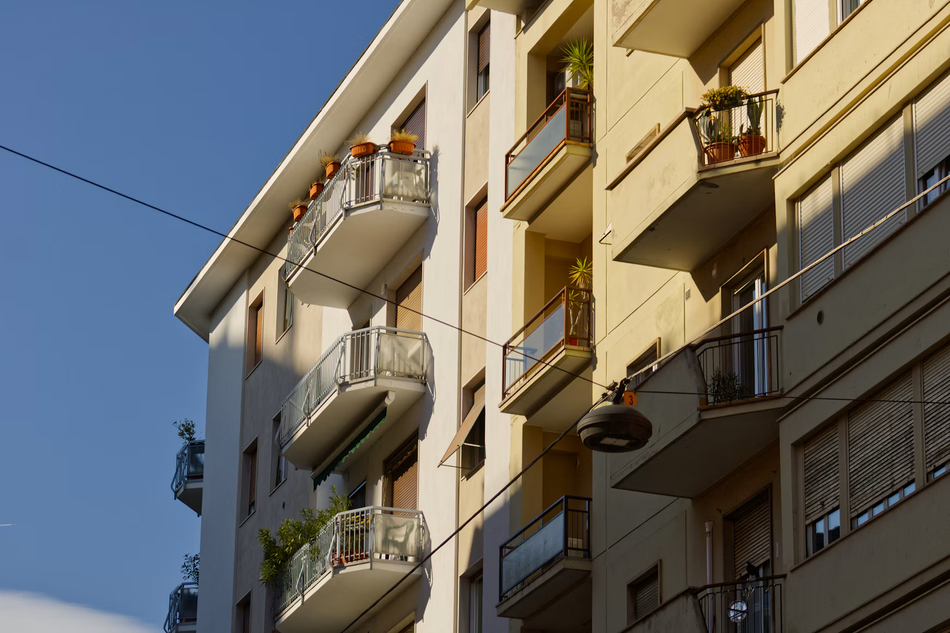
Image source:https://unsplash.com/photos/sunny-facades-of-apartment-buildings-with-balconies-KTy4HHmzDnY
What Routine Care Keeps Your Cladding in Prime Condition?
Caring for exterior wood boards is simple when you follow a basic seasonal schedule. You do not need harsh chemical washes to keep timber looking its best. Simple preventive habits protect your boards from fading and water wear.
- Maintain ground clearance: Keep garden beds and paving at least 150 millimeters below board edges to prevent rain backsplash.
- Inspect joint seals: Check corner seals and perimeter flashings before heavy rains begin to stop water entry.
- Apply protective coatings: Recoat boards with penetrating oils or stains every 3 to 5 years to block strong UV rays.
- Rinse off grit: Wash away accumulated dust and ocean salt with clean garden water twice each year.
Choosing high-performance materials for your building envelope transforms how your home looks and performs. Investing in durable wood profiles rewards you with an exterior that weathers gracefully and stands firm against tough climates. You gain an inviting, lasting home exterior that brings pride to your family for decades to come.