Feeding kids is surprisingly exhausting. Mostly because the mental load never stops—you’re already planning the next meal while you’re still cleaning up sticky rice off the floor from the last one.
As a mom of two, I care about what my kids eat. But I also have zero patience for meal plans that assume I magically have unlimited time to cook from scratch five times a day. Some days I have the energy to bake fresh blueberry muffins. Other days, survival means feeding everyone as fast as possible before the next mental breakdown happens.
That’s all I want from a weekly toddler meal plan: less decision-making, a grocery list that doesn’t end in wasted food, and breathing room for the evenings that go sideways. Through plenty of trial and error (and way too many slimy cucumbers), I’ve finally found a realistic balance that works for my family, and hopefully, it will for yours, too.
This seven-day meal plan combines simple family meals, smart leftovers, easy snacks, and a couple of zero-effort convenience meals. And the repetition is totally on purpose; you don’t need seven different breakfast recipes to feed a happy toddler.
A Complete Seven-Day Toddler Meal Plan
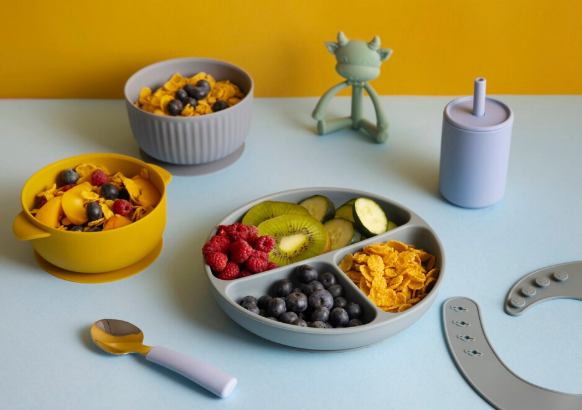
This sample menu is geared toward toddlers between the ages of two and three years old, who are eating family foods. Textures, portions, and ingredients can be adjusted to your child’s chewing skills and allergies. Keep in mind this is a flexible menu, and it’s not a requirement to finish everything listed.
Make sure to offer water throughout the day, and include your child’s usual age-appropriate milk or a suitable alternative alongside the meal and snacks.
| Day | Breakfast | AM Snack | Lunch | PM Snack | Dinner |
| Monday | Smashed banana and peanut butter oatmeal | Plain Greek yogurt with smashed raspberries | Shredded chicken, rice, and steamed carrots | Cheddar cheese on crackers with apple slices and honey | Penne with lentils, tomato sauce, and steamed broccoli |
| Tuesday | Banana oatmeal pancakes and peach slices | Blueberry muffin and milk | Leftover penne with steamed zucchini | Soft pita with hummus and cucumber | Flaked salmon, mashed potatoes, and steamed garlic broccoli |
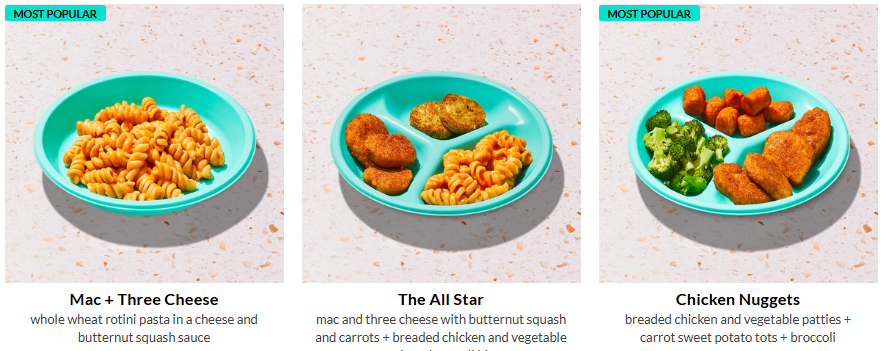
| Wednesday | Scrambled eggs with toast and peach slices | Banana with Greek yogurt | Leftover salmon, mashed potatoes, and cherry tomatoes | Applesauce with cheddar cheese slices | Mac and three cheese, butternut squash and carrots, breaded chicken and veg patties (a heat-and-eat meal from Little Spoon) |
| Thursday | Overnight oats with honey and raspberries | Blueberry muffin and milk | Shredded chicken and avocado tortilla rolls | Soft pita with hummus and cucumber | Soft mashed beans and cheese quesadilla with avocado |
| Friday | Scrambled eggs with toast and melon slices | Raspberries with greek yogurt | Leftover mashed beans, soft rice, and avocado | Cheddar cheese on crackers with apple slices and honey | Oven-roasted chicken, roasted sweet potatoes, and green beans |
| Saturday | Banana oatmeal pancakes and peach slices | Melon slices and Little Spoon Puffs | Leftover chicken and penne in tomato sauce | Cucumber and cheese slices | Turkey tacos (a heat-and-eat meal from Little Spoon) |
| Sunday | Toast with peanut butter and banana | Greek yogurt with cooked, soft peaches | Cheese-and-broccoli omelet and cherry tomatoes | Soft pita with hummus and avocado | Halibut with rice and steamed carrots |
Just remember to cut or mash foods as needed, shred meat finely, check fish for bones, and cook firm vegetables until they’re soft and safe to eat. It’s also best to avoid choking hazards such as whole nuts, popcorn, and thick spoonfuls of nut butter. Beyond that, don’t overthink it, and enjoy this phase. Trust me, it passes by quickly!
How to Use the Plan (Without Having to Do More Work)

A good place to start is checking the family calendar before making your shopping list. Ask yourself: Which nights will you get home late because of extracurricular activities? Are there days when you have time to cook or meal prep? Put the easiest dinners on the busiest nights.
Next, take a look at what’s already in the fridge, even the condiments. If you have sweet potatoes but no regular potatoes, use them first. If your toddler prefers peaches over apples, buy more peaches during your next shop. A useful meal plan should save you an extra trip to the grocery store.
Then, think of simple combinations: a grain food with protein, fruit or vegetables, and fats like olive oil or avocado worked in. And don’t forget to include dairy or an appropriate alternative throughout the day. Ultimately, you’re building variety over time, not trying to make every plate identical.
With kids, I’ve learned the hard way that serving a lot of food can result in a mountain of waste. Start with small portions and offer seconds if they’re still hungry. The CDC recommends establishing a steady routine of three meals alongside two or three snacks per day. But the snack slots are opportunities, not obligations. Adjust them around daycare, naps, and offer when they’re hungry. If daycare already serves lunch and snacks, use the columns in my plan for weekends or days at home.
Every child is at a different stage with eating, so I like using shared ingredients I can use for everyone, even if the finished meals look different. Oats, yogurt, chicken, eggs, and soft veggies give you plenty of options. For example, I build a meal using the exact same ingredients for my 4.5-year-old and 10-month-old, tweaking textures for their different abilities. Sharing base ingredients saves you from cooking separate meals without expecting both kids to eat the exact same way.
Making the Meals Easier
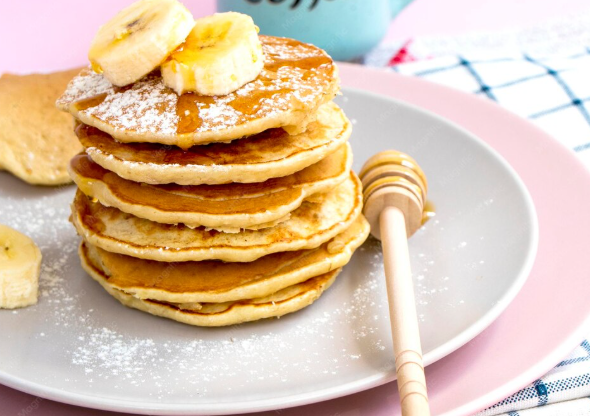
Monday and Tuesday: Cook Extra for Lunch
Monday’s penne with lentils and tomato sauce can cover dinner and Tuesday’s lunch. Set aside the portion, then add steamed zucchini the next day. There’s no need to cook a whole new meal just because it’s lunchtime.
For Tuesday’s salmon dinner, make extra fish and potatoes for Wednesday’s lunch. The salmon, mashed potatoes, and garlic broccoli can be dinner for everyone. For your toddler, flake the fish carefully, check for bones, and cook the broccoli until soft.
I’m a big fan of this approach because the extra work happens when you’re already cooking. Making another portion of potatoes is much easier than starting lunch from scratch the next day.
The banana pancakes are another opportunity to meal prep. Freeze a few for Saturday’s breakfast, and you’ve already checked off a meal from the weekend list.
Wednesday and Thursday: Give Yourself a Midweek Break
You’ll have Wednesday lunch mostly ready, thanks to Tuesday’s dinner. All you’ve got to do is reheat the salmon and mashed potatoes and cut up some cherry tomatoes.
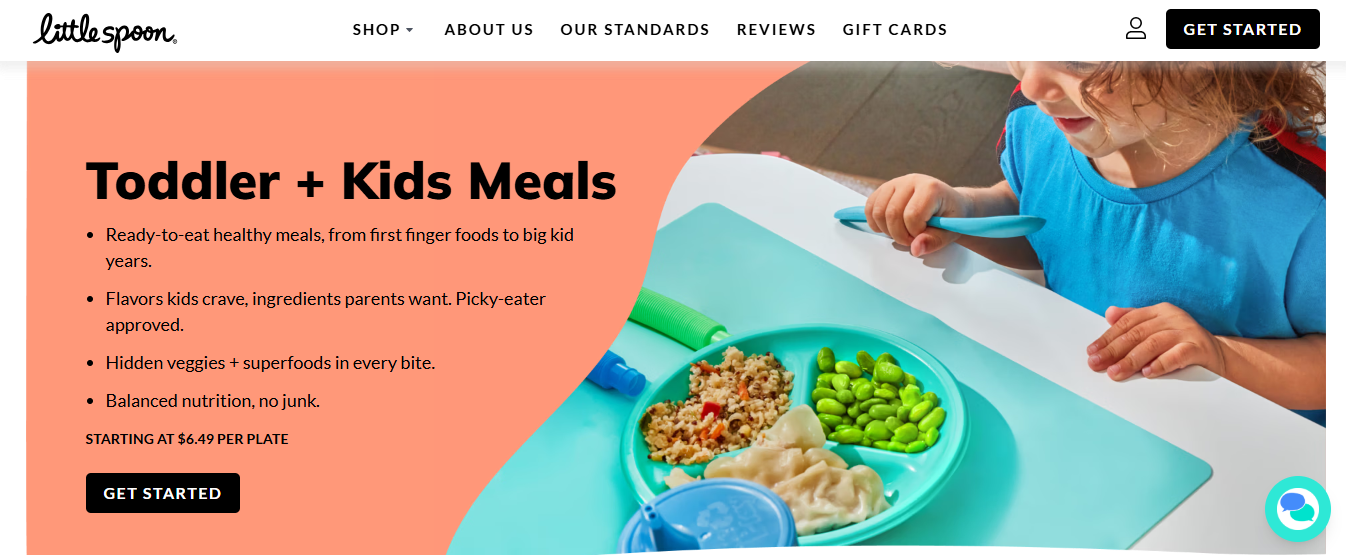
For dinner, the plan includes Little Spoon’s All Star Plate, a ready mac and three cheese meal with chicken and vegetable patties. It fits into the week as a dinner you can heat up and serve, which works well when I don’t have time.
As a mom, I think it makes sense to plan for the nights when you have less time or energy. Having something ready means you’re not standing in front of the fridge trying to figure out what to cook while your kid needs you.
Thursday’s chicken and avocado rolls use shredded chicken prepared earlier. If you’re cooking it on Sunday, freeze Thursday’s portion that day, and thaw it in the refrigerator before using. That way, you’re not stretching the same refrigerated batch throughout the week.
For dinner, mash enough beans for the quesadillas and Friday’s lunch. Keep the extra beans separate from the tortillas, so you can serve them with rice and avocado the next day.
Friday through Sunday: Let Dinner Help with Tomorrow
Friday’s roasted chicken becomes Saturday’s lunch with penne and tomato sauce. Roast the sweet potatoes alongside the chicken, and cook the green beans until tender.
On Saturdays. I like having a ready-made dinner for my toddler because the day gets busy with extracurricular activities and family outings (or sometimes we’ll sneak in a restaurant meal). Little Spoon’s Turkey Taco Plate with ground turkey, cheddar, and cilantro-lime rice is a top choice for our toddler. Because it requires very little preparation, it leaves more room for whatever our Saturday looks like.
On Sunday, use freshly cooked or safely stored broccoli in the cheese omelet. Chop it up small before adding it to the eggs, or serve it on the side if your toddler prefers having the two separate.
Halibut, rice, and steamed carrots finish the week with another dinner the family can share. If your toddler isn’t a fan of fish yet, include familiar rice and carrots without making tasting the halibut a condition of eating the rest.
On the weekends, I also like to keep the snacks simple because we’re often on the go. This is where a rice-based snack like Little Spoon’s Puffs comes in handy.
Swaps That Work for Feeding Picky Eaters
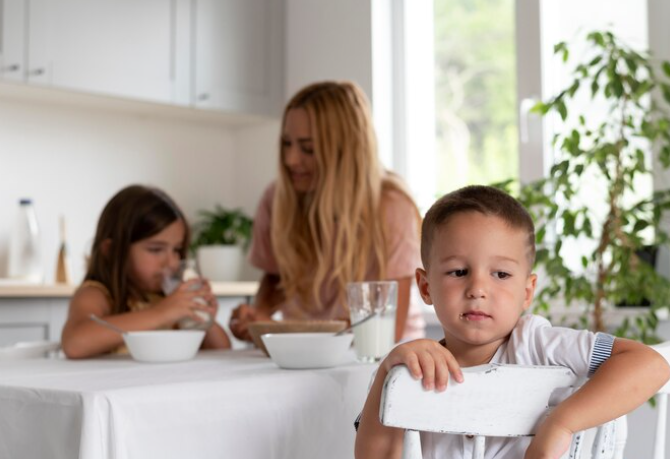
The reality with kids is that you can’t assume serving something appealing guarantees it gets eaten. There were plenty of times when I made a perfectly reasonable dinner, and I still heard “no.”
I would rather build in small adjustments than plan a completely different menu for when this happens. Always include something familiar with the meal, offer unfamiliar foods without pressure, and keep giving your child chances to try them. Acceptance takes time and multiple tries.
Below are some example adjustments you can make before serving. You don’t have to work through a list of alternatives until your toddler agrees to a meal.
| Meal Plan | Adjustment |
| Lentils mixed into penne | Plain pasta with lentil tomato sauce on the side |
| Chicken and avocado rolls | Serve ingredients separately. |
| Salmon/halibut | Offer a small amount beside familiar foods. If refused, rotate with soft egg or mashed beans. |
| A filled quesadilla | Serve ingredients separately. |
| Raspberries in overnight oats | Serve the raspberries on the side, or mash them into the oats. |
| Broccoli mixed into an omelet | Make a plain cheese omelet, and serve the broccoli on the side. |
Another tip is to offer a limited choice when it’s practical. For example, ask if your toddler wants the avocado inside the tortilla or beside it. You’re still serving the planned lunch, but your child gets a say in something that might matter to them. Toddlers have opinions, believe it or not.
With picky eaters, I would avoid promising dessert for eating vegetables or insisting on one more bite. Just keep offering food at regular meals and snacks, and let your child respond to their appetite.
Meal Prep That Doesn’t Take Over Sunday
I prefer to prepare a few useful components rather than line up a week’s worth of finished meals. With two kids, a plan that requires an uninterrupted afternoon in the kitchen is a pretty big assumption, and it usually doesn’t happen.
For this menu, I’d focus on these jobs:
- Prepare chicken for the first half of the week.
Cook and shred chicken for Monday’s lunch, then freeze a separate portion for Thursday’s tortilla rolls. Friday’s roast chicken is a fresh batch, with extra set aside for Saturday.
- Make tomato sauce once.
Use some with lentils for Monday’s penne and Tuesday’s leftovers. Freeze another portion for Saturday’s chicken pasta, then cook fresh penne that day. You’ll get the benefit of cooking ahead without keeping Monday’s pasta in the fridge all week.
- Batch the breakfast and muffins.
Make banana oatmeal pancakes and blueberry muffins when you have time. Freeze Saturday’s pancakes and any muffins you won’t use. Mix Thursday’s overnight oats on Wednesday evening, and refrigerate them overnight.
- Prepare veggies in smaller batches.
Carrots and broccoli will cover the start of the week. Top up later with green beans, potatoes, and vegetables for Sunday.
You don’t need to meal prep everything for this plan to be useful. Even just having chicken ready and a few pancakes in the freezer takes the pressure off.
Keep the Grocery List Familiar
For this menu, the main pantry items are oats, penne, rice, bread, tortillas, pita, crackers, potatoes, and sweet potatoes. Add in your proteins and fridge staples: chicken, salmon, halibut, eggs, lentils, beans, peanut butter, Greek yogurt, cheddar cheese, hummus, and the ingredients for your pancakes and blueberry muffins.
The produce repeats itself nicely throughout the week: bananas, raspberries, peaches, apples, melon, avocado, cucumber, cherry tomatoes, carrots, broccoli, zucchini, and green beans. Just make sure to check what you already have in the fridge before buying more (and remember that freezing fruit and vegetables is a lifesaver for portions and waste).
You can follow this menu with Little Spoon’s Plates and Puffs included, or you can swap in options that suit your budget and what your toddler enjoys. Once you’ve tested it out for a week, you’ll have a better sense of what’s worth repeating and what sounded easier on paper than it actually was in your kitchen.
The Bottom Line
Making a weekly toddler meal plan efficiently is really about taking a few decisions off your plate. If breakfast is something familiar, lunch is mostly ready from last night’s dinner leftovers, and there’s an easy ready-made option waiting for a busy evening, it makes a difference.
With two kids, I’d rather spend that time sitting down to eat with them instead of stressing out about what’s next on the menu.