You’ve tried a new “best chili recipe” every fall since the first cold snap, and by Super Bowl Sunday, you still haven’t found the one. I used to swap recipes every year too, until I made this one for a neighborhood cook-off and watched it beat out a dozen other pots, including two from guys who smoke their own brisket.
This recipe feeds eight for about $30 using ordinary grocery store ingredients, nothing exotic, nothing mail-order. You’ll see why ground chuck plus a second cut adds real texture, how to swap the meat if chuck roast isn’t in the case that week, and why browning in batches instead of crowding the pan makes all the difference.

The Recipe
1. The Best Chili Recipe, and Why You Can Stop Auditioning New Ones
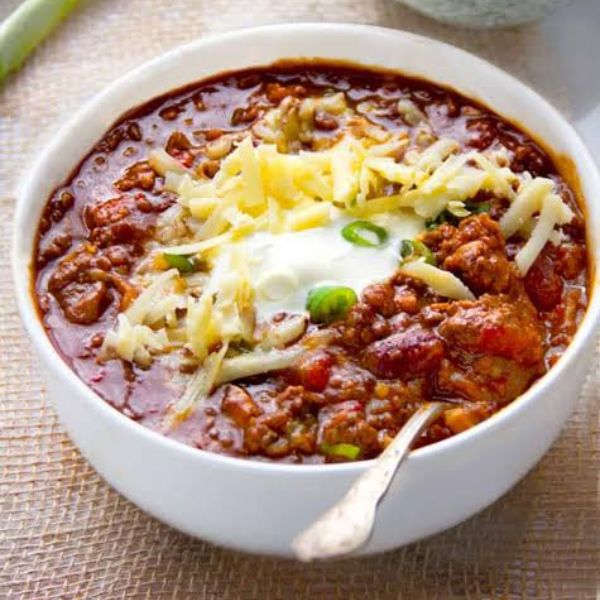
This is the best chili recipe I’ve landed on after years of trying a new one every fall, and it’s the pot that took first place at our neighborhood cook-off. An award-winning chili recipe turns out to be a heavy pot and two hours you were mostly going to spend on the couch anyway.
My first real attempt was a sad pot of gray meat and watery tomato that my husband politely called “fine.” It was fine. Nobody asked for seconds.
What fixed it wasn’t a mystery ingredient. It was understanding why each step exists, so you can repeat it from the first cold snap all the way to the Super Bowl without hunting Pinterest again.
Ingredients run about $28 to $34 for eight servings. [Jump to recipe.]
2. The Recipe: Serves 8, About $30 for the Whole Pot
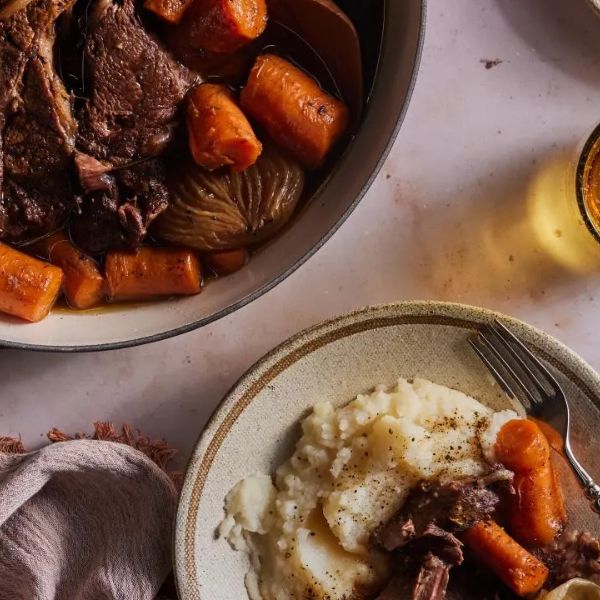
Serves 8. Prep 25 minutes, cook 2 hours 15 minutes, total about 2 hours 40 minutes. I priced this out at my local Kroger, store brand where I could find it, so your total might run a little higher or lower depending on where you shop.
- 2 lbs ground chuck (80/20), about $9 to $11
- 1 lb cubed chuck roast or bulk pork sausage, about $7 to $9
- 2 tbsp vegetable oil, just pennies’ worth
- 1 large yellow onion, diced, about $1
- 1 bell pepper, diced, about $1
- 4 cloves garlic, minced, about 50 cents
- 3 tbsp chili powder, about $2
- 1 tbsp ground cumin, about $1.50
- 1 tsp smoked paprika, about $1
- 2 tbsp tomato paste, about 75 cents
- 1 can (28 oz) crushed tomatoes, about $2
- 2 cups beef broth, 1 bottle of beer, or 1 cup brewed coffee, about $1 to $3
- 2 cans (15 oz) kidney or pinto beans, drained, about $1 each, optional
- 2 tbsp masa harina plus 1/4 cup water
- 1 tbsp apple cider vinegar or juice of 1 lime, about 50 cents
- Salt and black pepper
Stovetop method: Heat oil in a heavy 6-quart pot. Brown the meat in batches and set aside. Soften onion and pepper, add garlic, then the dry spices for one minute. Stir in tomato paste and cook until it darkens. Deglaze with your liquid, scraping the bottom. Return the meat, add crushed tomatoes, and simmer partially covered for 1.5 to 2 hours. Beans go in the last 20 to 30 minutes. Finish with the masa slurry and vinegar. Ground beef is done at 160°F.
That works out to about $3.50 to $4.25 a serving. Mixing your own spices instead of grabbing packets saves a little more, and the ratios are in [Homemade Chili Seasoning: The Ratio That Replaces the Packet].
3. The Meat: Ground Chuck Plus a Second Cut
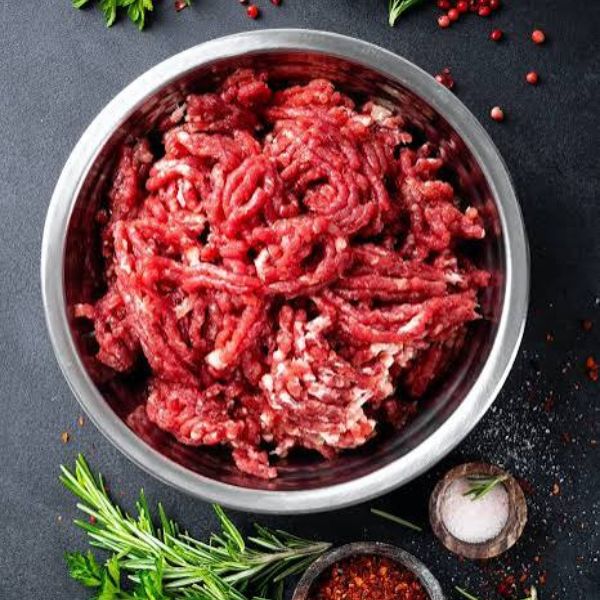
Two kinds of meat are the single biggest upgrade here. Ground chuck at 80/20 gives you fat, and fat carries chili powder and cumin in a way lean beef simply can’t. Two pounds costs about $9 to $11.
The second pound is texture. Cubed chuck roast, cut into half-inch pieces, breaks down over the simmer into tender shreds you can actually chew. Bulk pork sausage does a different job, adding fennel and sage notes that read as “this tastes more complicated than it is.”
Back when we were paying off debt, our default was three pounds of 93/7 ground beef because it was on sale. It made dry, crumbly chili every time, and I blamed the recipe for years.
4. Swapping the Meat Without Losing the Pot
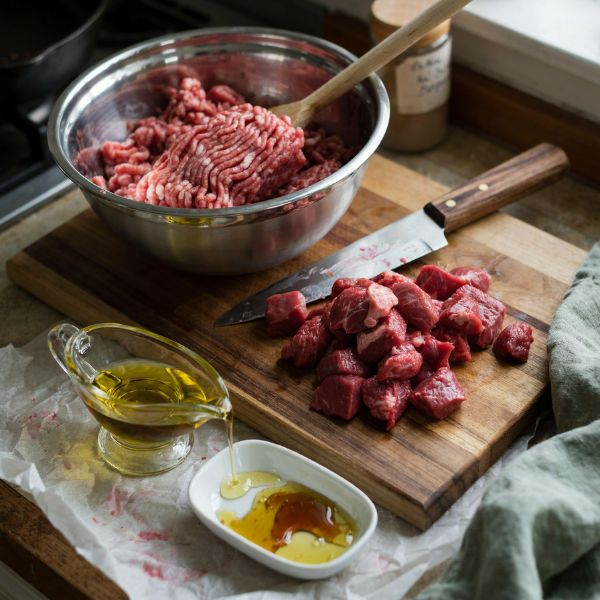
If ground chuck is running over $6 a pound the week you shop, the blend still works with adjustments. Drop to 2 pounds total of ground chuck and skip the second cut, and you’ll land near $7, though the texture is more uniform.
Ground turkey works, but it’s lean, so keep the full 2 tablespoons of oil and expect a lighter flavor. Leaner ground beef needs the sausage pound more than ever, since that’s where your fat is coming from.
Chuck roast often costs less per pound than ground chuck when it goes on sale. Buy a 3-pound roast, cube one pound for this, and freeze the rest. More ideas for stretching beef across the week are in [18 Creative Ways to Stretch Ground Beef for Multiple Meals].
Browning, Blooming, and Building the Base
5. Browning: In Batches, Not Crowded
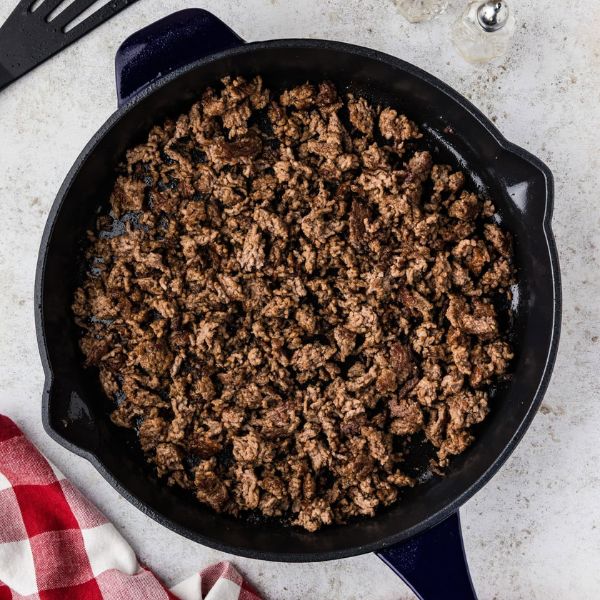
When all three pounds of meat hit the pot at once, the pan temperature drops and the meat releases its liquid faster than that liquid can cook off. What you end up with is gray, steamed beef sitting in a puddle, and no amount of chili powder later makes up for a sear that never happened.
Brown in three batches instead, a single layer at a time, over medium-high heat in two tablespoons of vegetable oil, which costs you pennies out of a 48 oz store-brand bottle that runs about $4 at Walmart. Four or five minutes undisturbed. Move that batch to a bowl and start the next.
That crust is where the deep, roasted flavor in a homemade chili recipe actually comes from. Ground beef is done at 160°F, but it reaches that during the simmer, not in this step.
6. Blooming the Spices
One minute of toasting separates chili that tastes seasoned from chili that tastes dusty. Blooming means cooking your ground spices in the hot fat before any liquid goes in, which pulls their oil-soluble flavor out into that fat so it carries through the whole pot instead of sitting on top.
Once the onion, bell pepper, and garlic have softened, add 3 tablespoons chili powder, 1 tablespoon cumin, and 1 teaspoon smoked paprika, then stir constantly for about 60 seconds. Store-brand jars at Kroger cost roughly $2, $1.50, and $1 for the amounts used here.
Stay at the stove for that whole minute. Spices go from fragrant to scorched in about fifteen seconds. I answered the phone during that minute once and ended up scraping three pounds of beef and burnt cumin into the trash.
7. Tomato Paste, Cooked Dark
Two tablespoons sounds like too little to bother with, but tomato paste is tomato with the water already cooked out, so it brings concentrated sugar and savory depth that crushed tomatoes alone can’t. Stir it into the bloomed spices and cook it two to three minutes, scraping as you go, until it turns from bright red to a darker brick color and starts to stick. That color change is caramelization. Skip it, and you taste raw tomato in the finished pot.
A 6 oz can of Hunt’s or store brand costs under $1 at Walmart, and this recipe uses about a third of it. The squeeze tubes run closer to $3, but they keep for weeks in the fridge if you hate watching half a can go fuzzy.
8. Deglazing: Getting the Fond Off the Bottom
A 32 oz carton of store-brand beef broth, about $2 at Aldi, does the most important two minutes of work in this chili recipe. Pour 2 cups into that darkened, sticky pot and scrape the bottom with a wooden spoon until it comes clean.
Those stuck brown bits have a name. Fond is the French word for them, and it’s concentrated browned meat and caramelized tomato. Deglazing just means using liquid to lift it back into the food. Skip it, and all that flavor stays welded to the pot and goes down the drain with the dishwater.
Beer works too, about $1.50 a bottle out of a six-pack, and a dark lager or amber adds a little malty edge. A cup of leftover morning coffee costs nothing and does something similar. Return the meat and its juices, then stir in the crushed tomatoes.
Simmer Time and Beans or No Beans
9. Simmer Time: 90 Minutes to 2 Hours, Partially Covered
Set the burner low enough that a bubble breaks the surface every few seconds. A rolling boil tightens the meat and scorches the bottom. Give it 90 minutes to 2 hours with the lid cracked a few inches. The cubed chuck gives up its collagen and goes tender. The liquid reduces until it coats a spoon, and somewhere in the second hour the chili powder stops tasting like separate spices and starts tasting like chili.
Stir and scrape the bottom every 20 minutes or so. If it tightens up before the meat is tender, splash in more liquid. A 32-ounce carton of store-brand beef broth runs about $2.50 at Kroger and is worth having open on the counter.
Rushing this is why chili tastes thin.
10. Why It Tastes Better the Next Day
I didn’t believe the overnight thing until I started cooking the pot on Saturday for a Sunday Chiefs game. The grandkids ate two bowls each, my husband went back for thirds, and it was the exact same chili I’d tasted the night before, and thought was merely fine. Resting costs nothing, and cooking Saturday to reheat Sunday is what makes this chili recipe easy on game day.
What happens in the fridge is real. The fat carries the spice compounds and redistributes through the whole pot, the beans and meat absorb liquid, and the sharp edge on the tomato and chili powder softens.
Reheat it low and slow, stirring often. Set out shredded cheddar, about $3 to $4 for an 8-ounce bag, and let everyone build their own bowl. Our [19 Chili Bar Ideas That Let You Sit Down and Eat With Your Own Guests] post has the full spread.
Stop Auditioning, Start Winning
That yearly search for “the one” ends with a heavy pot and two hours you were going to spend watching football anyway. No smoker required.
The neighbor who took second asked for the recipe before the judges finished scoring and called it the best damn chili recipe he’d eaten. Make it once. The next time somebody hosts, your name goes on the chili line.