That cabinet under your sink is a graveyard of single-purpose sprays. Stainless steel cleaner, glass cleaner, dusting spray, a scuff eraser you used once. I bought a wood cleaner spray years ago for one dresser and never touched it again. It sat there until I finally tossed it, still three-quarters full.
These cleaning hacks hand you the method before the product. Top to bottom, dry to wet means you dust before you wipe so nothing gets cleaned twice. Let it sit teaches you to spray and walk away, because dwell time does the scrubbing for you. And carrying a caddy from room to room replaces hauling a full set of supplies everywhere you go.
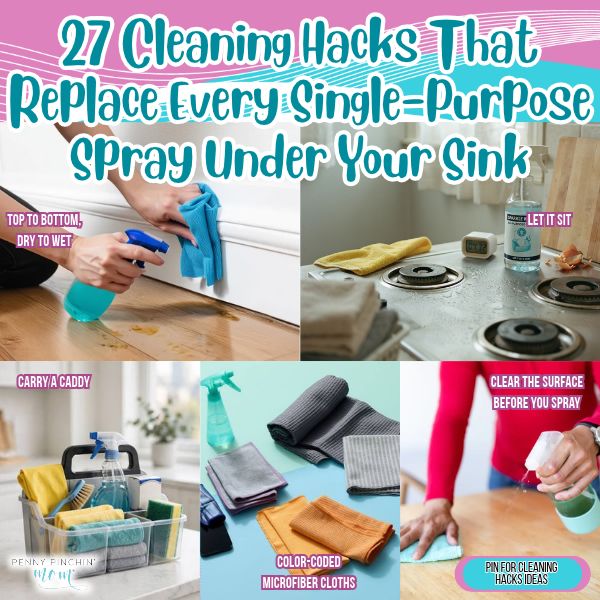
Work Smarter Before You Scrub Harder
1. Top to Bottom, Dry to Wet
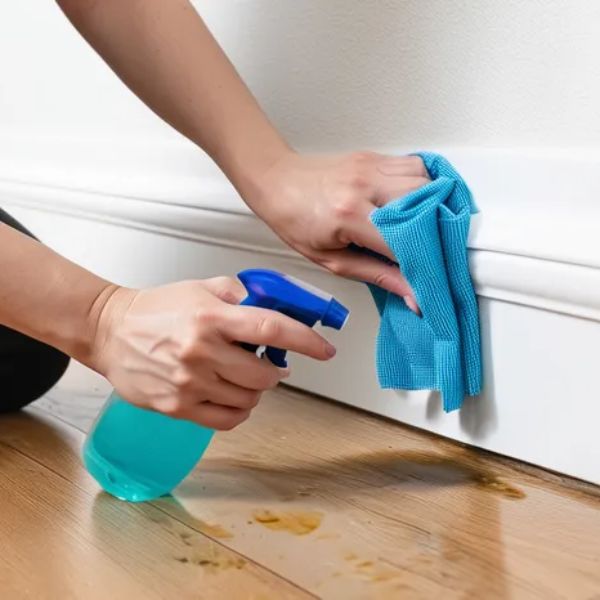
This one is completely free, which is the whole point. The order you clean in costs nothing, and getting it wrong is what makes a room take twice as long. Dust and dry-wipe everything first, then come back with anything wet. Work high to low: light fixtures and shelf tops before counters, counters before floors.
Why it matters is simple. Every bit of dust you knock off a ceiling fan lands somewhere lower, so if you mopped first, you’re mopping again. A damp cloth dragged across dusty wood turns that dust into gray smears that need a second pass.
No dwell time applies. This adds no minutes to your routine; it just reorders it, and it saves you a full second round of cleaning in most rooms.
2. Let It Sit
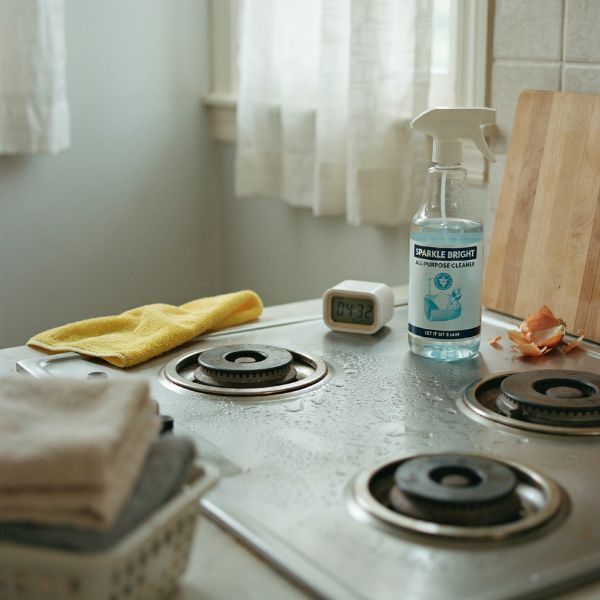
Dwell time is the part of the label almost nobody reads, and it’s doing the scrubbing you’re trying to do with your arm. Spray the surface, then walk out and start something else. Come back and wipe.
Give it 5 minutes on light grime and up to 15 on anything baked on or sticky. Most sprays, homemade or store-bought, need that window to actually break down what they’re sitting on.
This costs nothing and adds no time, because you’re spending those minutes on another task anyway. Start the shower or stovetop, go switch the laundry, come back. The same cleaner you already own works noticeably better with ten quiet minutes than with thirty seconds and a lot of effort.
3. Carry a Caddy
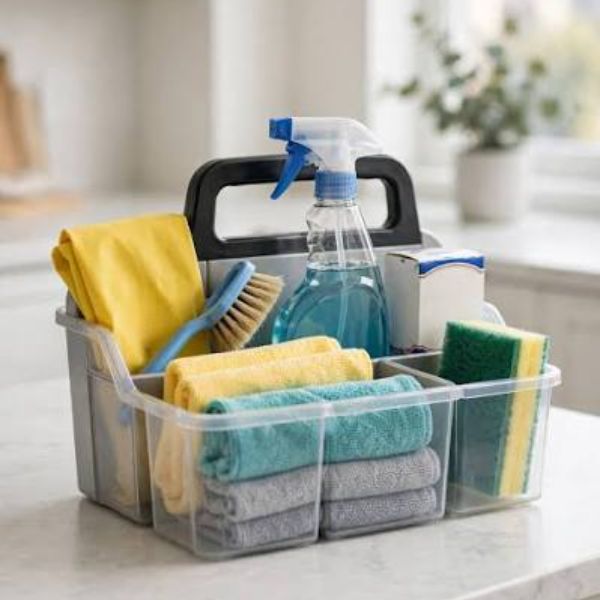
A cleaning caddy runs about $8 to $12 at Target or Walmart, and Dollar Tree carries smaller plastic totes for $1.25 if you want to test the idea first. Buy one, not four. That’s the hack.
Load it with your core supplies: an all-purpose spray, glass spray, a scrub brush, and a small stack of cloths. Carry it room to room instead of stashing a duplicate set under every sink, which is how most of us ended up with three bottles of the same cleaner.
Setup takes about 5 minutes, and no waiting is involved. Where the caddy lives between cleanings is its own project, and the cleaning supplies list post walks through stocking and storing it without buying doubles of everything you already have.
4. Color-Coded Microfiber Cloths
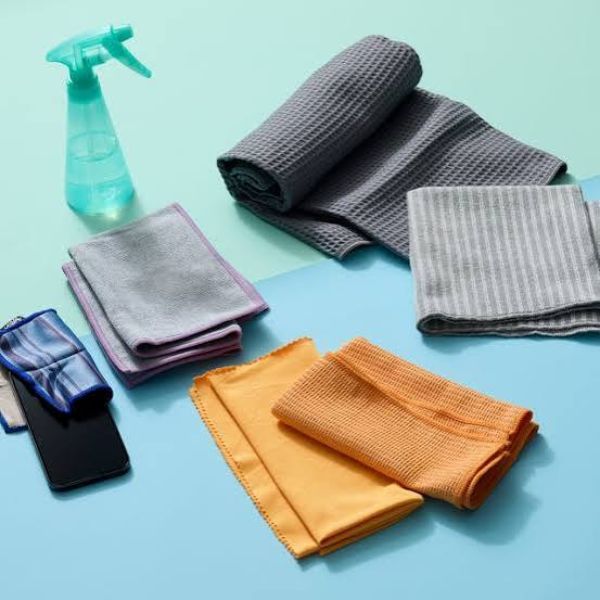
I learned this the hard way the afternoon a grandkid knocked over a cup of grape juice and I grabbed the nearest cloth, which had cleaned the bathroom that morning. That cloth went straight in the trash, and I came home with a 12-pack of assorted-color microfiber instead.
A 12-pack costs around $10 to $15 at Walmart or on Amazon. Assign one color per job: blue for glass, yellow for dusting, green for kitchen, pink for bathroom. Say it out loud to yourself twice, and it sticks.
No dwell time, and sorting them takes about 5 minutes once. Washed and reused, they replace most of what a paper towel roll was doing, which is the recurring purchase you stop making.
5. Clear the Surface Before You Spray
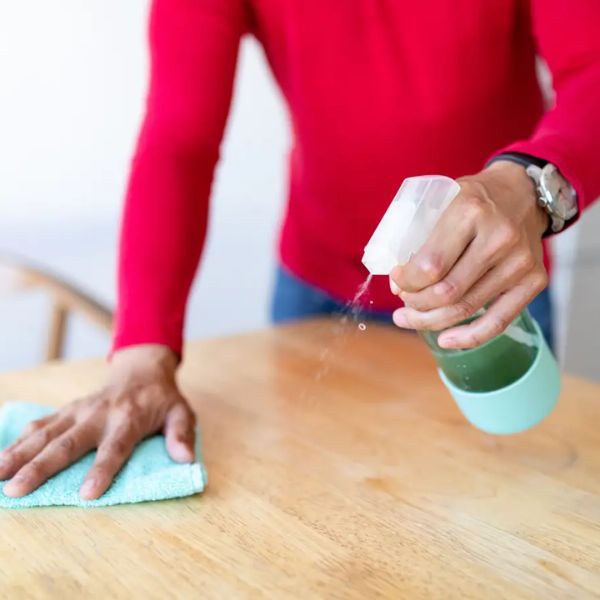
Spraying around a stack of mail, a phone charger, and two coffee mugs means you cleaned about 40 percent of that counter. Pull everything off first. Set it on the table or the floor, wipe the empty surface in one unbroken pass, then put back only what belongs there.
This one is completely free, and it takes about 2 extra minutes per surface. No waiting required.
Here’s the part that saves money: a clear counter shows you exactly what you own. Half the duplicate sprays in my cabinet existed because I couldn’t see the bottle I already had, and those run about $4 to $6 each at the store. Working on clear surfaces is one of those house cleaning tips that pays twice, once in speed and once in not rebuying.
6. Work the Room in One Direction
Pick a corner and move around the room the same way every single time, clockwise or counterclockwise, your choice. Finish each surface as you reach it rather than bouncing from the windowsill to the lamp to the windowsill again.
Costs nothing, buys nothing. It pairs with top to bottom, dry to wet: high items first on your loop, low items on the second trip around.
No dwell time involved, and it doesn’t add minutes. What it does is end the problem of standing in a half-cleaned room wondering whether you already wiped that shelf.
In a standard bedroom, one full loop runs about 10 minutes. The habit takes a few weeks of deliberate practice before it goes automatic, and then you stop thinking about it entirely.
7. Refillable Spray Bottles, Labeled in Permanent Marker
Plain spray bottles cost about $1.25 each at Dollar Tree and run $2 to $4 at Walmart or Target for a sturdier trigger. Three or four is plenty for a whole house.
Fill them, then label each one directly on the plastic with a permanent marker. Write what’s in it and the date you mixed it. Unlabeled bottles of clear liquid are how mystery sprays end up under the sink for two years.
No dwell time, and labeling the set takes maybe 5 minutes. Keep homemade mixes in their own clearly marked bottles and never top off a bottle that held something else.
Reusing bottles is one of the simplest ways to save money on household cleaners, since you’re buying the ingredient and not the packaging every time.
8. The Fifteen-Minute Timer
A timer turns an overwhelming house into a series of small, finishable jobs. Set it for 15 minutes per room, work the whole time, and stop the second it goes off. No supplies needed beyond what’s already in your caddy, so this one costs nothing.
The timer does two things. It keeps you from reorganizing a drawer when you meant to wipe a counter, and it shows you that a bathroom genuinely takes 11 minutes, not the hour your brain insisted on.
Four rooms, an hour, done. No waiting or dwell time applies unless you’re letting a spray sit, which fits neatly inside the window.
9. Wash Microfiber Without Fabric Softener
Fabric softener and dryer sheets are the quiet reason good cloths stop picking anything up. The softener coats the fibers, and a coated microfiber cloth just pushes dirt around.
Wash them separately from towels and cotton, in warm water with a small amount of regular detergent. Skip the softener entirely. Tumble dry low or hang them, because high heat melts the fibers.
No dwell time needed, and it’s a normal wash cycle, roughly an hour start to finish, including drying.
This costs nothing beyond laundry you’re already running, and it’s the difference between replacing a $10 to $15 pack of cloths twice a year and getting a couple hundred washes out of the same set. Keep a small mesh bag by the hamper for used ones.
10. Start the Machines Before You Start Cleaning
Before you pick up a cloth, start the dishwasher, start a load of laundry, and if the kitchen sink is full, fill it with hot water and a squirt of dish soap and let the dishes soak. The machines and the soak time do work you’d otherwise be doing by hand.
Free, assuming you already own the appliances and the soap, which costs around $3 to $4 a bottle and lasts months.
Soak time is the point: 10 to 20 minutes in hot, soapy water does more to loosen baked-on food than any amount of scrubbing at the start.
By the time you’ve worked your way back to the kitchen, the hard part has already happened without you standing over it.
Dust Without Reaching for the Can
11. Damp Microfiber for Most Dusting
A microfiber cloth dampened with plain water and wrung out until it barely feels wet grabs dust instead of pushing it into the air. Wipe dressers, shelves, and the TV stand, folding to a clean side every few passes. There’s no dwell time here, nothing to let sit, so you wipe and move on. A bedroom takes about five minutes, the same as it would with a spray can in your hand.
This stands in for dusting spray like Pledge, which costs around $4 to $5 a bottle at Walmart or Target, and a 12-pack of microfiber cloths costs about $10 to $15 on Amazon and washes for years. Keep the cloth damp, never wet, on wood or laminate, and dry the surface right behind you. More ideas like this live in Simple Ways to Save Money on Household Cleaners.
12. The Pillowcase Ceiling Fan Trick
Dust on fan blades never stays on the fan. Flip the switch, and it lands on the bed, the dresser, and everything you just wiped.
Grab an old pillowcase you already own, no purchase needed, and slide it over one blade all the way to the base. Press lightly through the fabric and pull it back toward you. The dust falls inside the case instead of into the room. Repeat on each blade, then shake the case out outdoors and wash it.
No waiting is involved, and a four-blade fan takes two to three minutes. Use a sturdy step stool and move it around the fan rather than stretching sideways from one spot. This replaces a telescoping fan duster, which sells for about $7 to $9.
13. Baseboards Standing Up
If kneeling on a hard floor to chase baseboard dust is what keeps you from doing it, stop kneeling. A flat microfiber mop, about $15 to $20 for an O-Cedar or Bona at Walmart, runs along baseboards while you stand upright. No mop? Clamp a damp microfiber cloth under a broom head with a rubber band and use that instead, which costs nothing.
Go dry first to lift loose dust, then make a second pass with the pad barely damp for the grimy spots. Dry right away on painted wood so water doesn’t sit in the seam.
Five to ten minutes covers a room, with no dwell time needed. It also replaces those baseboard-cleaning wands sold for about $10 to $15.
14. An Old Sock as a Dusting Mitt
That single sock in the laundry basket with no match finally has a job. Slip it over your hand, dampen the palm side slightly, and run your fingers along blind slats, shelf edges, lamp bases, and the tops of picture frames. Your hand bends where a tool can’t, which is the whole point.
Work one sock dry and one damp if a room has both loose dust and sticky spots. Toss them in the next load of towels when you’re finished.
Cost is nothing beyond laundry you’re already doing, and it replaces disposable Swiffer Duster refills that run about $6 to $7 a pack. Figure five minutes per room, no wait time. Keep damp socks off unsealed or waxed wood.
15. A Paintbrush for Vents and Crevices
A clean, dry paintbrush in the 1 to 2 inch range comes in around $2 to $4 at Dollar Tree or in the Walmart paint aisle, and an old makeup brush works just as well. Dry-brush dust out of floor registers, return vents, keyboards, speaker grilles, and carved furniture details, sweeping everything toward the floor so you can vacuum it up last.
After one craft afternoon with my grandkids, I found glitter in the keyboard grooves that no cloth could reach. The brush got it out in about a minute.
Nothing needs to soak or sit, and ten minutes handles the vents in most houses. Unplug electronics first and keep the brush completely dry around them. This replaces a specialty vent brush, usually about $7 to $9.
16. Wood Furniture: A Drop of Dish Soap
Skip the wood polish and reach for the dish soap you already keep at the sink, about $3 to $4 a bottle and good for months of cleaning. Add one drop to a bowl of warm water, dip a microfiber cloth, and wring it out until it’s nearly dry. Wipe the sticky spot on the table or dresser, then immediately dry the same area with a second cloth.
Test a hidden corner first, like the underside of a table leaf. Waxed, oiled, or antique finishes don’t take moisture well, and standing water leaves marks on any wood.
About five minutes per piece, with no dwell time. It replaces wood cleaner sprays such as Pledge or Murphy Oil Soap, roughly $5 to $6 at Target.
17. Lampshades and Book Tops With the Vacuum Attachment
Your vacuum already came with the tool that handles the dust a cloth smears around. The soft brush attachment pulls dust off pleated lampshades, the tops of books, upholstered headboards, and framed art without pressing it deeper into the fabric. If yours disappeared years ago, universal attachment sets cost around $8 to $12 on Amazon.
Set the suction low, hold the shade steady with one hand, and work top to bottom in short strokes. Books get a quick pass across the top edge while they’re still on the shelf.
No waiting, and ten minutes covers a living room. That’s dusting spray you don’t need for any of those surfaces, plus it catches the dust instead of relocating it.
18. Houseplant Leaves, Wiped by Hand
Houseplant leaves collect a surprising amount of dust, and that layer dulls the whole corner of a room. Support each leaf from underneath with one hand and wipe the top with a soft microfiber cloth dampened with plain water. For small-leafed plants, set them in the shower or sink and rinse with lukewarm water instead.
Fuzzy leaves like African violets shouldn’t get wet at all. Use a dry, soft brush on those, the same one from the vent hack.
Nothing to buy, and no wait time. Five to ten minutes handles a houseful of plants. It replaces leaf shine spray, which runs about $6 to $8 at Walmart or a garden center and leaves a film that attracts more dust anyway.
19. When Curtains Start Looking Dull, Use the Dryer
Fabric holds house dust just like upholstery does, and curtains are the biggest piece of fabric in most rooms. Take the panels down, shake them outside, and run them through the dryer on air fluff or no heat for about 15 minutes. Rehang them while they’re still warm so the wrinkles drop out on their own.
Back when we were paying off debt, I did this with four living room panels instead of paying for dry cleaning, which can run $15 to $25 per panel.
Check the care tag first. Rubber-backed blackout curtains and dry-clean-only silk stay out of the dryer entirely. The whole job takes about 25 minutes, most of it hands-off while the dryer runs.
20. A Used Dryer Sheet to Slow the Dust Down
Used dryer sheets, the ones already headed for the trash after a load of towels, leave a light anti-static film that keeps dust from settling back as fast. Run one along baseboards, the TV stand, and the top edges of door frames after you’ve dusted those spots clean.
A box of Bounce sheets costs about $5 at Walmart, and you’re using them a second time, so the real cost is nothing. The trick only works on already-clean surfaces, so dust first.
Keep sheets off screens, where the residue shows, and off unsealed or waxed wood. Five minutes per room, no dwell time. This replaces anti-static dusting sprays like Endust, about $5 to $6 a can. More along these lines sits in 25 Awesome Cleaning and Baking Hacks.
Shine and Stubborn Marks Without the Specialty Spray
21. Vinegar and Water for Glass
Equal parts white vinegar and water in a spray bottle handles windows, mirrors, and the glass front of the microwave. A gallon of store-brand vinegar runs about $4 at Walmart, and a spray bottle is $1.25 at Dollar Tree, so you’re making a diy cleaning solution for pennies a bottle.
Spray the glass, wipe with a flat-weave microfiber cloth or a sheet of newspaper, then buff with a second dry cloth to kill streaks. No dwell time needed on everyday smudges. Give heavy fingerprints a minute to loosen before wiping. Plan on 5 to 10 minutes per room.
Skip it on tinted or coated glass unless the manufacturer says it’s fine, and keep it off stone windowsills, since vinegar etches marble and granite. This replaces Windex, which generally costs around $4 to $6 at Walmart or Target. The full method is in my All Natural Window Cleaner post.
22. Stainless Steel Without the Special Spray
Streaky appliances usually mean too much product, not too little. You need dish soap you already have, about $3 to $4 a bottle, plus mineral oil, around $5 to $6 for a bottle in the pharmacy aisle at Walmart that will last you years.
Wash the appliance with warm water and a few drops of dish soap, then dry it completely with a clean cloth. Put three or four drops of mineral oil on a second dry microfiber and buff along the grain of the steel, never against it. Less is more here. Too much oil leaves a tacky film that grabs every fingerprint.
No dwell time. A whole kitchen’s worth of appliances takes about 10 minutes. This stands in for Weiman stainless steel spray, generally about $6 to $9.
23. Hard Water on Kitchen and Laundry Faucets: The Vinegar Wrap
White crust at the base of the kitchen faucet doesn’t scrub off; it dissolves off. Soak a paper towel in white vinegar, the same gallon from item 21, and wrap it snugly around the faucet neck and base.
Let it sit 30 to 60 minutes, then unwrap, wipe the softened buildup away, rinse with plain water, and buff dry. Active time is about 5 minutes. The rest is passive, so start it before you tackle another room.
Check your faucet’s care instructions first. Some brushed, oil-rubbed, and coated finishes don’t tolerate acid, and vinegar should never touch a natural stone countertop underneath. One of the handiest cleaning tips going, and it replaces CLR lime and scale remover, usually about $6 to $10. Bathroom fixtures get their own treatment in 17 Bathroom Cleaning Tricks for the Room That Never Stays Done.
24. A Tennis Ball for Floor Scuffs
After soccer Saturdays, my grandkids used to come through the back door in cleats and leave a trail of black marks down the hallway tile. A tennis ball fixed it faster than I could find a sponge.
Grab a 3-pack of tennis balls, about $5 at Walmart, cut an X into one with a utility knife, and push it onto the end of a broom handle. Rub the ball over the scuff with light pressure. The felt lifts rubber marks off tile, vinyl, and sealed laminate without chemicals or kneeling.
No dwell time, and most marks take under a minute. Test gently on high-gloss or waxed floors first, since hard rubbing can dull the shine. This replaces a Mr. Clean Magic Eraser, generally about $5 to $7 a pack.
25. Wall Scuffs: Baking Soda on a Damp Cloth
Walls collect marks from chair backs, shoes, and anything a kid drags down a hallway. A box of Arm & Hammer baking soda costs about $1 to $2 at Walmart and handles most of them.
Dampen a corner of a microfiber cloth, dip it in a pinch of baking soda, and rub the mark in small, gentle circles. Wipe the area with a clean, water-dampened cloth and pat dry. Each mark takes a minute or two, with no dwell time involved.
Test a hidden spot first, behind a door or low on a wall. Baking soda is a mild abrasive, and on flat or matte paint it can leave a burnished, shiny patch worse than the scuff. On satin and semi-gloss, it’s reliable. It replaces melamine sponges at about $5 to $6 a pack.
26. Window Tracks and Sills With Vinegar and an Old Toothbrush
Those gritty sliding-door and window tracks never come clean with a cloth alone, because the grime sits in a corner no cloth reaches. You need white vinegar from the same gallon, which runs about $3 at Walmart, an old toothbrush headed for the trash anyway, and a few paper towels.
Vacuum the loose debris out of the track first. Pour or spray a little vinegar along the track and let it sit 10 minutes to soften the buildup. Scrub the corners with the toothbrush, then push the loosened gunk out with a paper towel wrapped around your finger or a flathead screwdriver.
Plan on about 5 minutes per window once the vinegar has done its work. Stone sills get plain soapy water instead. No specialty cleaner needed, which is the whole point.
27. Sticker and Tape Residue on Glass and Metal
Price tag gunk on a thrift store mirror or a new sheet pan comes off with cooking oil you already own, no solvent required. Any oil works, though I keep a cheaper bottle of vegetable oil for jobs like this.
Rub a few drops of oil onto the residue with your fingertip or a paper towel and let it sit 10 minutes. The adhesive softens and rolls off under your thumb. For stubborn patches, make a paste with a pinch of baking soda and a little oil, then rub with a cloth. Wash the surface with dish soap and warm water afterward so nothing stays greasy.
Figure 15 minutes total, mostly waiting. Keep oil off unsealed wood and painted finishes. This replaces Goo Gone, usually about $5 to $7.
Clean Out That Cabinet for Good
That three-quarters-full bottle of wood cleaner taught me something. The right method beats another single-purpose spray every time, and you don’t need a cabinet full of products to get a home that’s actually clean. These hacks work because they fix the process, not just the mess in front of you.
Start with Vinegar and Water for Glass if you want to toss that blue bottle under your sink, try the Tennis Ball trick next time a scuff mark catches your eye, or set The Fifteen-Minute Timer when the whole house feels like too much at once. Pick one, try it this week, and watch how much simpler cleaning gets. You already have what you need. Now you know how to use it.