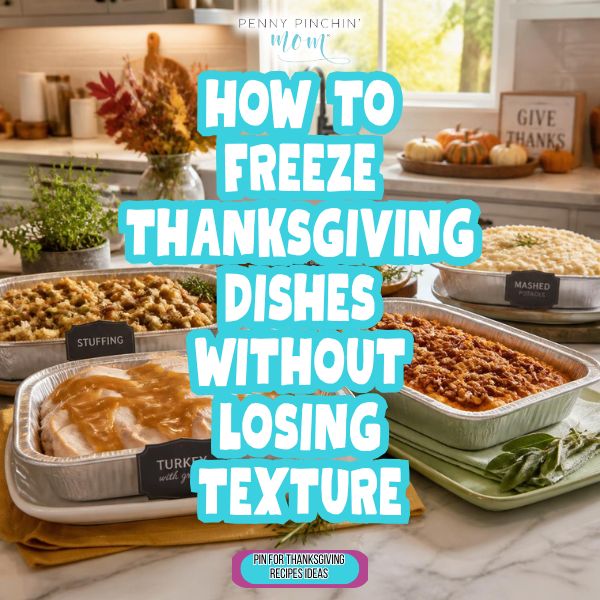
You spend hours making your grandmother’s sweet potato casserole, freeze it two weeks early to save time, then pull it from the freezer on Thanksgiving morning to find a watery, separated mess. The marshmallow topping looks fine, but underneath? Disaster.
I’ve been there. Three years ago, I froze an entire batch of green bean casserole two weeks before Thanksgiving: seemed smart at the time. When I reheated it, the cream sauce had broken into grainy curds and the green beans turned to mush. I ended up making a grocery store run at 7 AM on Thanksgiving Day.
What I learned: some Thanksgiving dishes freeze beautifully and taste just as good weeks later. Others fall apart no matter what you do. The difference is knowing which ingredients hold up to freezing and which ones break down.
This guide walks you through exactly which sides and desserts freeze well, which ones don’t, and the specific techniques that protect texture during freezing and thawing. You’ll also get a quick-scan list of do’s and don’ts so you can plan your make-ahead strategy without second-guessing yourself. Most dishes take 5-10 minutes to prep for freezing, and knowing what to freeze Thanksgiving sides saves 3-4 hours of cooking on Thanksgiving Day.
Freezer-Friendly Sides: What Works and How to Do It Right
These dishes survive freezing because their structure doesn’t depend on emulsified sauces or crisp textures. Most maintain 90-95% of their original quality when frozen and reheated correctly.
Stuffing/Dressing
Bread-based stuffing freezes perfectly for up to one month. The key is freezing it before baking, not after: this prevents it from drying out during reheating.
- Prepare stuffing completely but stop before baking
- Press into a disposable aluminum pan
- Cover with plastic wrap, then aluminum foil (double layer prevents freezer burn)
- Label with baking instructions: 350°F for 45-50 minutes covered, then 10-15 minutes uncovered
- Thaw overnight in the refrigerator before baking
The moisture from the broth keeps the bread soft during freezing. You’ll get the same crispy top and fluffy interior as fresh-baked stuffing.
Mashed Potatoes
Standard mashed potatoes (butter and milk) freeze well for 4-6 weeks. Loaded versions with sour cream, cream cheese, or heavy cream freeze even better: the extra fat protects texture.
- Make mashed potatoes as usual, slightly underseason (you’ll adjust when reheating)
- Cool completely to room temperature
- Transfer to freezer bags in 2-3 cup portions
- Press out all air, seal, and lay flat to freeze
- Thaw overnight in refrigerator
- Reheat in oven at 350°F for 30-35 minutes, stirring halfway through, adding 2-3 tablespoons milk if needed
Don’t freeze mashed potatoes with crispy toppings: add those fresh after reheating. The base texture stays smooth and creamy.
Casseroles (Most Types)
Green bean casserole, sweet potato casserole (without marshmallow topping), and corn casserole all freeze successfully for up to two months. Assemble completely but freeze before the final bake.
- Mix all ingredients except crunchy toppings (fried onions, breadcrumbs, pecans)
- Transfer to freezer-safe baking dish or disposable aluminum pan
- Cover tightly with plastic wrap and foil
- Freeze flat
- Thaw 24 hours in refrigerator
- Add toppings fresh, then bake according to original recipe (add 10-15 minutes to baking time if still slightly cold)
This method keeps vegetables from getting mushy and prevents toppings from turning soggy.
Cranberry Sauce
Both homemade and whole-berry cranberry sauce freeze perfectly for up to three months. The high sugar and acid content work as natural preservatives.
- Cool completely after cooking
- Transfer to airtight containers or freezer bags
- Leave ½-inch headspace (cranberry sauce expands when frozen)
- Label with thaw instructions
- Thaw 24-36 hours in refrigerator
Texture stays identical to fresh. Jellied sauce might separate slightly: just stir after thawing.
Dinner Rolls and Biscuits
Unbaked frozen rolls taste bakery-fresh, and the process takes 10 minutes of prep.
- Shape rolls or biscuits but don’t let them rise
- Place on parchment-lined baking sheet; freeze until solid (2-3 hours)
- Transfer to freezer bags, removing as much air as possible
- On Thanksgiving morning, arrange frozen rolls in baking dish
- Cover and let rise 4-6 hours at room temperature
- Bake according to original recipe
You get the smell of fresh-baked bread without the work on Thanksgiving Day.
Pies (Most Fruit and Pecan)
Apple, cherry, and pecan pies freeze beautifully for up to three months: unbaked for fruit pies, baked for pecan.
For fruit pies:
- Assemble pie completely with both crusts
- Don’t cut vents in top crust yet
- Wrap tightly in plastic wrap, then foil
- Freeze flat
- Bake directly from frozen (don’t thaw): add 20-25 minutes to normal baking time
- Cut vents in top crust after 30 minutes of baking
For pecan pie:
- Bake completely and cool
- Wrap cooled pie in plastic wrap and foil
- Freeze for up to one month
- Thaw overnight in refrigerator
- Bring to room temperature before serving, or warm at 300°F for 15-20 minutes
What Never to Freeze: Common Thanksgiving Dishes That Fall Apart
These dishes fail because freezing breaks down their structure in ways you can’t fix during reheating.
Cream-Based Sides
Any dish with heavy cream, sour cream, or cream cheese as a primary ingredient will separate when frozen. The fat and liquid break apart, creating a grainy, curdled texture that doesn’t come back together.
- Traditional green bean casserole with cream of mushroom soup separates
- Creamed corn turns grainy and watery
- Scalloped potatoes break down into a gluey mess
- Au gratin dishes lose their smooth sauce entirely
The exception: Casseroles where cream cheese or sour cream is mixed thoroughly into mashed potatoes or a dense base freeze well because the starch protects the dairy.
Mayonnaise-Based Dishes
Mayonnaise completely breaks down when frozen. The emulsion separates into oil and water, creating a curdled texture you can’t fix by stirring.
- Deviled eggs turn watery with separated yolk filling
- Pasta salads with mayo dressing become oily and grainy
- Potato salad loses its creamy texture completely
- Coleslaw turns into a soggy, separated mess
Make these 24-48 hours before serving and store in the refrigerator.
Fresh Vegetable Sides
Raw or lightly cooked vegetables turn mushy when frozen because ice crystals rupture cell walls. The crisp texture is gone permanently.
- Fresh green salads turn slimy and brown
- Roasted Brussels sprouts become mushy and develop bitter off-flavors
- Glazed carrots lose their snap and turn mealy
- Sautéed green beans go limp and soggy
Most vegetable sides take 20 minutes or less to make fresh: not worth the freezer space.
Custard-Based Pies
Pumpkin pie, sweet potato pie, and any custard filling separate when frozen. The eggs and milk break down, creating a watery layer that won’t reincorporate.
Bake these 24-48 hours before Thanksgiving and store in the refrigerator. They stay fresh, and the texture stays smooth.
Dishes with Crispy Toppings
Anything with a crunchy element (fried onions, crushed crackers, breadcrumbs, streusel) turns soggy in the freezer. The moisture from the dish below seeps into the topping.
Freeze the base of casseroles, but always add crispy toppings fresh after reheating.
Quick Reference: Freezer Do’s and Don’ts
DO Freeze:
- Stuffing (unbaked)
- Mashed potatoes (all types)
- Dinner rolls (shaped but not risen)
- Cranberry sauce
- Fruit pies (unbaked)
- Pecan pie (baked)
- Sweet potato casserole base (no topping)
- Green bean casserole base (no fried onions)
- Corn casserole
DON’T Freeze:
- Pumpkin or custard pies
- Green bean casserole with cream soup base
- Scalloped or au gratin potatoes
- Mayo-based salads
- Deviled eggs
- Fresh vegetable sides
- Anything with crispy toppings already added
- Gravy (it separates and turns grainy)
Freezing Best Practices:
Cool everything to room temperature before freezing: putting hot food in the freezer raises the temperature and affects other frozen items.
Use freezer-safe containers or heavy-duty aluminum pans that can go from freezer to oven. Disposable pans save cleanup time.
Label every dish with contents, date frozen, and reheating instructions. You won’t remember three weeks later.
Freeze dishes flat when possible: they thaw faster and take up less freezer space.
Press out all air from freezer bags before sealing. Air causes freezer burn and texture changes.
Thawing Best Practices:
Thaw all dishes in the refrigerator, never on the counter. Plan for 24 hours of thaw time for most casseroles and sides.
Don’t try to speed-thaw in the microwave: uneven heating breaks down texture and creates hot spots.
For dishes you’re baking from frozen (like fruit pies), no thawing needed: just add extra baking time.
Taste and adjust seasoning after reheating. Freezing can dull flavors slightly, especially salt.
The difference between Thanksgiving sides that taste fresh and ones that taste reheated comes down to which dishes you freeze and how you handle them. Stuffing, mashed potatoes, casserole bases, cranberry sauce, and most pies freeze beautifully when prepped correctly, giving you 3-4 hours back on Thanksgiving Day. Cream-based sides, mayo dishes, fresh vegetables, and custard pies don’t survive freezing no matter what you do, so skip the gamble and make those fresh within 1-2 days of serving.
Start by choosing 2-3 freezer-friendly sides from your Thanksgiving menu. If Thanksgiving is 2-4 weeks away, make and freeze them this weekend using the techniques above. Mark your calendar now: write down which dishes you’ll freeze (with specific dates) and which you’ll make fresh 24-48 hours before Thanksgiving. That single planning step prevents last-minute panic and gives you actual time to enjoy Thanksgiving instead of spending all day in the kitchen. Thanksgiving dish ideas for family gatherings can help elevate your celebration. Consider incorporating a variety of flavors and textures to please everyone’s palate. Remember, the key is to balance traditional favorites with new recipes to create a memorable feast.